close
OPEN (FOR RECLAIMS ONLY)

PHONES
MON-SUN:
9:30AM - 12:00PM & 1:00PM - 3:30PM
APPOINTMENTS
RECLAIM: MON-SUN

442-446 LIVERPOOL ROAD
STRATHFIELD SOUTH NSW
2136 AUSTRALIA
02 9587 9611
FOLLOW US ON      

Ringworm in Cats

Ringworm sounds scary. The reality is much less so.

Every year, especially during peak kitten season, we see an increase in cats and kittens coming into our care with ringworm. And every year, we notice the same thing happens. Cats with ringworm are often overlooked for adoption. We get it. The name alone sounds alarming.

But here’s the truth: ringworm is common, treatable, and temporary. With the right care, these cats go on to live completely normal, healthy lives. Let’s break down what ringworm actually is, and why adopting a cat with ringworm might be far less daunting than you think.

What is ringworm?

Despite the name, ringworm is not a worm. It’s a fungal skin infection that affects the hair, skin, and sometimes nails.

In cats, it commonly appears as:

  • Small circular patches of hair loss

  • Mild redness or flakiness

  • Occasionally itchy areas

Some cats show very few symptoms, while others may have more noticeable patches.

Ringworm is especially common in:

  • Kittens

  • Cats from crowded environments

  • Animals experiencing stress or lowered immunity

Which is why shelters often see it during busy periods.

Is ringworm dangerous?

For otherwise healthy cats and people, ringworm is not dangerous.

It is:

  • Treatable

  • Temporary

  • Not life-threatening

Yes, it can spread between animals and humans, but with basic hygiene and treatment, it is very manageable. Many families unknowingly deal with ringworm every year through schools, daycares, gyms, and even shared yoga mats.

How is ringworm treated?

Treatment is straightforward and time-limited. Depending on the case, it may include:

  • Medicated baths or wipes

  • Oral antifungal medication

  • Regular cleaning of bedding and surfaces

Our team provides guidance and support, so adopters know exactly what to do. Most cats respond well and recover fully. Once treated, ringworm does not come back unless re-exposed.

Why do cats with ringworm get overlooked?

We see it every year. The word “ringworm” can make people hesitate, even though the condition itself is far less complicated than it sounds. Sadly, this means some incredibly sweet, affectionate, playful cats wait longer for homes simply because of a temporary skin condition. That’s why we talk openly about ringworm. Education helps cats get adopted faster.

Why we run a ringworm adoption special

During kitten season, we care for a high number of cats at once. Ringworm cases increase, adoption slows, and space becomes limited.

Our ringworm adoption special is designed to:

  • Encourage informed, compassionate adoptions

  • Reduce the length of stay for treatable cases

  • Help more cats move into homes where recovery is often quicker and less stressful

Adopting a ringworm cat doesn’t mean “extra hard”. It means extra needed.

These cats are more than a diagnosis

Behind every ringworm case is a cat who:

  • Wants a couch to nap on

  • Loves chin scratches and warm beds

  • Has no idea they’re being overlooked

Ringworm is temporary. Love is permanent.

If you’ve been thinking about adoption and feel confident following a treatment plan, a ringworm cat could be the perfect match for you.

👉 View our adoption page for cats available and learn more about our ringworm adoption special.

The Benefits of Becoming a Foster Carer

Have you thought about adopting a pet but aren’t quite ready to make a lifelong commitment? Why not consider becoming an animal foster carer? Fostering allows you to experience all the joys of pet ownership while providing temporary care to an animal in need.

As a foster carer, you play an essential part in an animal’s journey from shelter life to their furever homes. Fostering provides many benefits for both you and the animal. From confidence building and improving socialisation, here are just some of the reasons fostering can be such a rewarding experience.

A Break from the Shelter Environment

While shelters provide safety and care, they can sometimes be overwhelming for certain animals, particularly older dogs and cats, or those who have experienced neglect or cruelty. An alternative for these animals is a temporary foster home. These animals can receive personalised care and attention while taking a break from the shelter.

At the same time, fostering creates more space within the shelter, allowing Sydney Dogs & Cats Home to support even more animals in need. This results in a significant impact on the community.

Testing the Waters of Pet Ownership

Adopting a pet is a big decision. By fostering instead, you get to “test the waters” of pet ownership and gain a better understanding of an animal’s needs, routines and personality without the pressure of a permanent commitment.

And sometimes, fostering leads to something even more special. Many foster carers fall in love with their foster animal and choose to adopt them permanently, affectionately known as a “foster fail”. A win-win situation for you and your newest family member.

Support Every Step of the Way

The team at Sydney Dogs & Cats Home are here to help you every step of the way. Our team provides guidance, resources and ongoing support throughout the fostering journey. You’ll receive updates, advice and assistance to help ensure both you and your foster animal feel confident and supported.

Saving Lives

When you become an animal foster carer, you are helping to give these animals a second chance at life. Foster care provides a safe space for animals to recover, sometimes for the first time.

Fostering can also help uncover health or behavioural issues that may not have been evident in the shelter environment, ensuring animals receive the care they need. Knowing you’ve played a role in saving a life is an incredibly rewarding experience.

Preparing Animals for Adoption

For animals not yet ready for adoption, a temporary foster home can help them learn what it’s like to live in a home. They can build trust, regain confidence and develop important social skills. Foster carers often help animals learn basic training and everyday routines, increasing their chances of successful adoption. When they are ready for adoption, their chances will have increased.

Becoming an animal foster carer is a rewarding and meaningful way to make a real difference. Interested in learning more about fostering? Click here to learn more and to submit an application.

Ella’s Purr-fect Starlight Wish

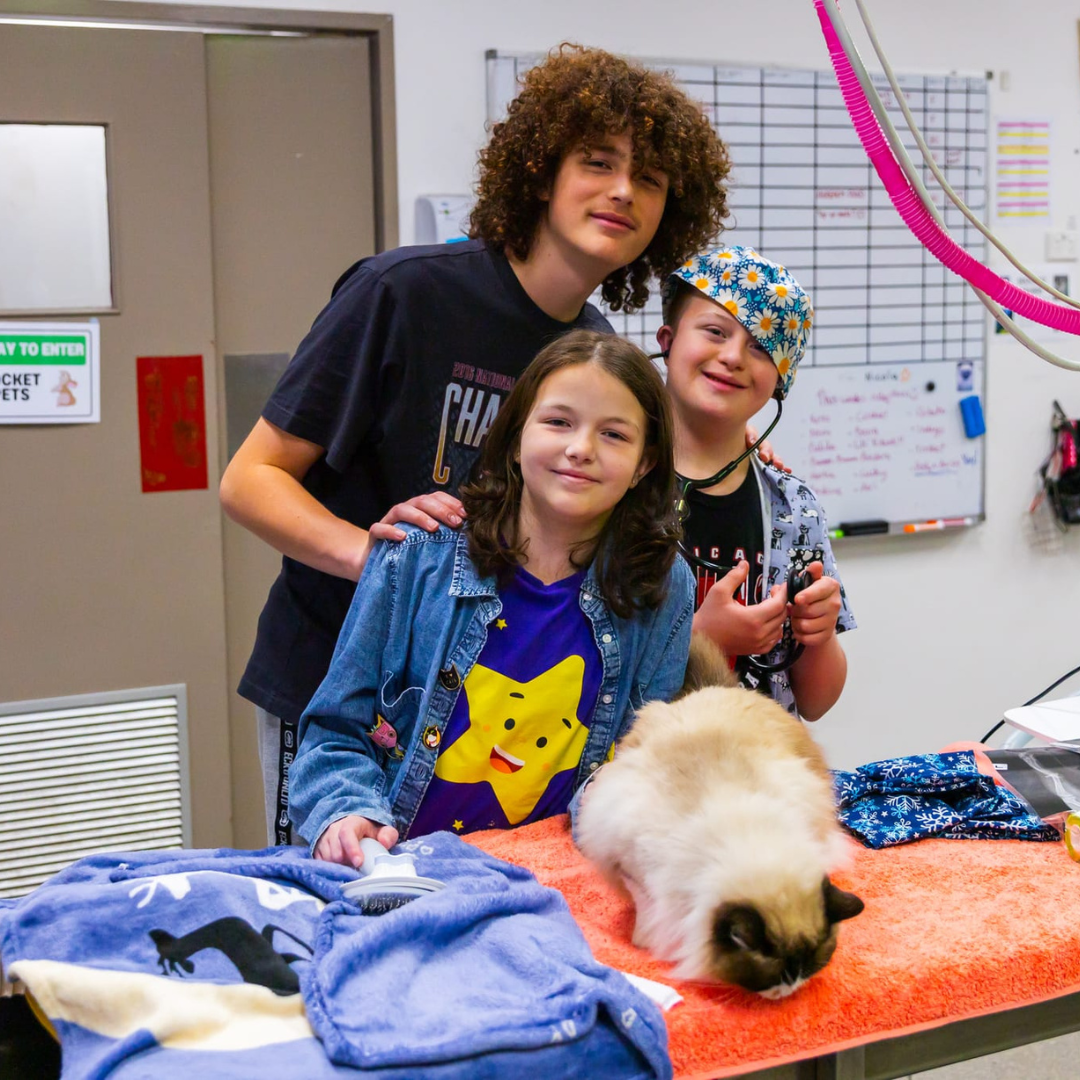
In August last year, we had the pleasure of hosting a very special guest at Sydney Dogs & Cats Home—Ella and her family, as part of her Starlight Wish! Ella is a huge cat lover, and she knew exactly how she wanted to spend her wish: a weekend filled with all things cat-ivities!

The weekend began with Ella and her family enjoying the purr-fect day at the Cat Lovers Festival, followed by a cosy meal and plenty of cuddles at a cat café. But the icing on the cake was their visit to us at Sydney Dogs & Cats Home, where Ella got a VIP tour of our shelter. She met the adorable cats that were in our care at the time, and learned more about how we help animals in need and to find loving families.

Ella also got hands-on with our team as a vet nurse, assisting with Penny Lane, a sweet ragdoll cat. Ella listened to Penny Lane’s heartbeat, gave her a little groom, and, of course, had the ultimate highlight—snuggling with seven tiny kittens! It was a moment Ella will surely never forget. To make the day even more memorable, she and her brothers created their very own cat paintings to take home as a souvenir from their unforgettable visit.

We’re so thrilled that Ella and her family had such an exciting and heartwarming experience with us. At Sydney Dogs & Cats Home, our mission is all about bringing pets and people together, and we are over the moon to have been part of Ella’s special wish.

Thank you, Ella, for letting us be a part of your unforgettable journey.

Published January 2025

Meet Mirabella – A Resilient Tabby with a Big Heart

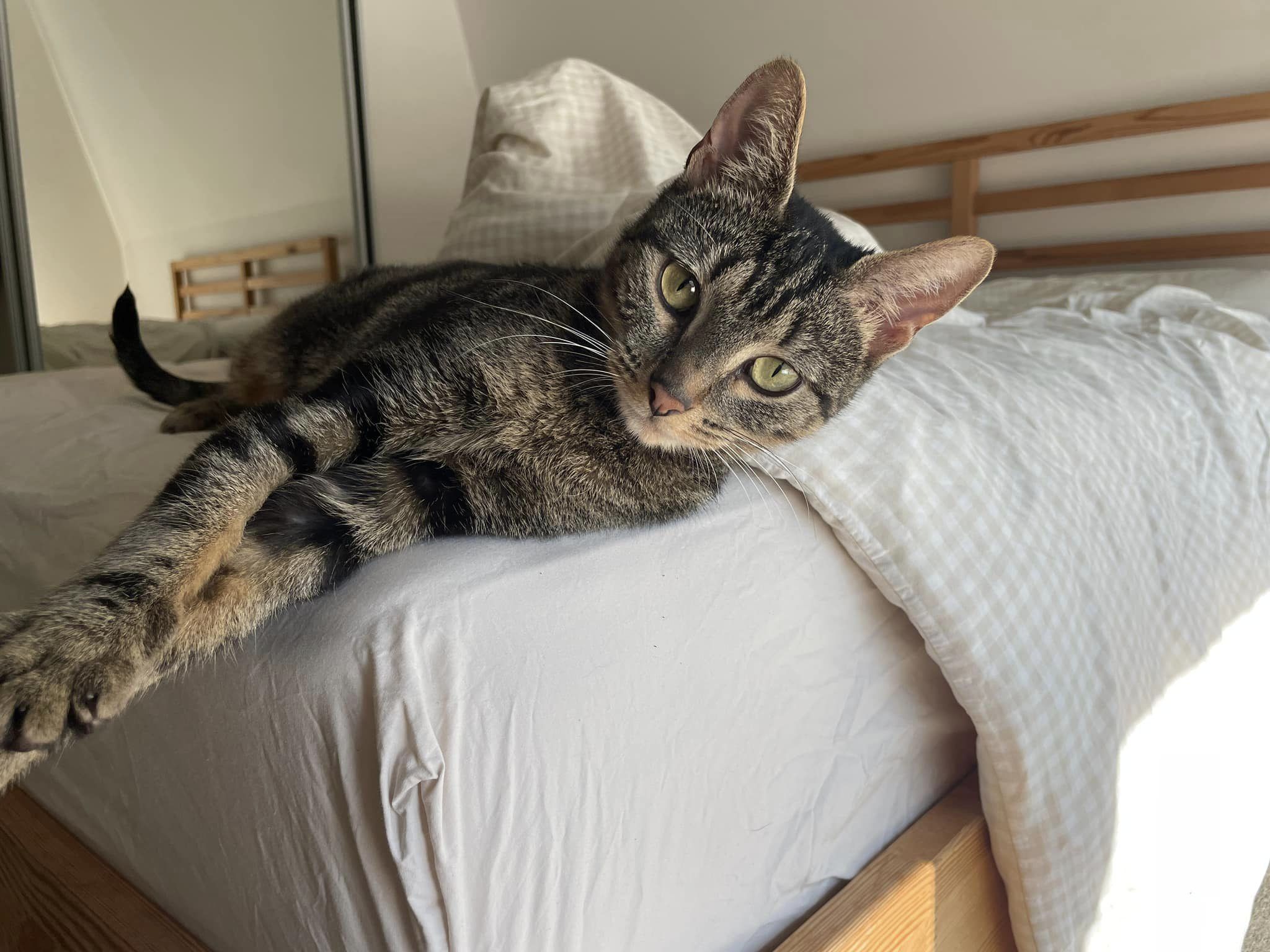
For close to 200 days, Mirabella has been waiting patiently for her special someone—a loving family to give her the life she truly deserves. This stunning tabby isn’t just beautiful on the outside; her heart is as big as her story.

Mirabella first arrived at Sydney Dogs & Cats Home as a tiny kitten, facing challenges that would test even the toughest of spirits. Covered in ringworm, she endured weeks of treatment before bouncing back like the little fighter she is. But her journey didn’t end there. We later discovered that Mirabella has a heart murmur. Thanks to our incredible veterinary team, she’s undergone an echocardiogram to investigate her condition further.

While her heart murmur makes her unique, it hasn’t dimmed her zest for life. Mirabella is playful, curious, and absolutely adores curling up in cosy spots. She dreams of a forever home with someone who understands her needs and can provide the ongoing care she deserves.

Managing a pet with a heart murmur might sound daunting, but it’s often much simpler than people expect. With regular veterinary check-ups and medication, pets like Mirabella can lead happy, fulfilling lives filled with love and adventure.

Mirabella isn’t asking for much—just a few simple things to help her thrive:

  • A calm, loving environment where she can feel safe and comfortable.
  • Someone committed to her health, providing occasional check-ups and medication for her heart.
  • Unconditional love and care, ensuring she knows just how special she is.

Adopting Mirabella means giving a sweet, deserving cat her chance at a life filled with love and joy. In return, she’ll fill your home with warmth, purrs, and endless affection. She’s resilient, loving, and ready to be your perfect companion.

If you think you could be Mirabella’s special someone, we’d love for you to learn more about her! Visit her profile here to apply and give her the forever home she’s been waiting for.

Because every pet deserves a chance to be loved—and Mirabella has so much love to give.

Published January 2025

Nitro’s Journey: A One-of-a-Kind Dog

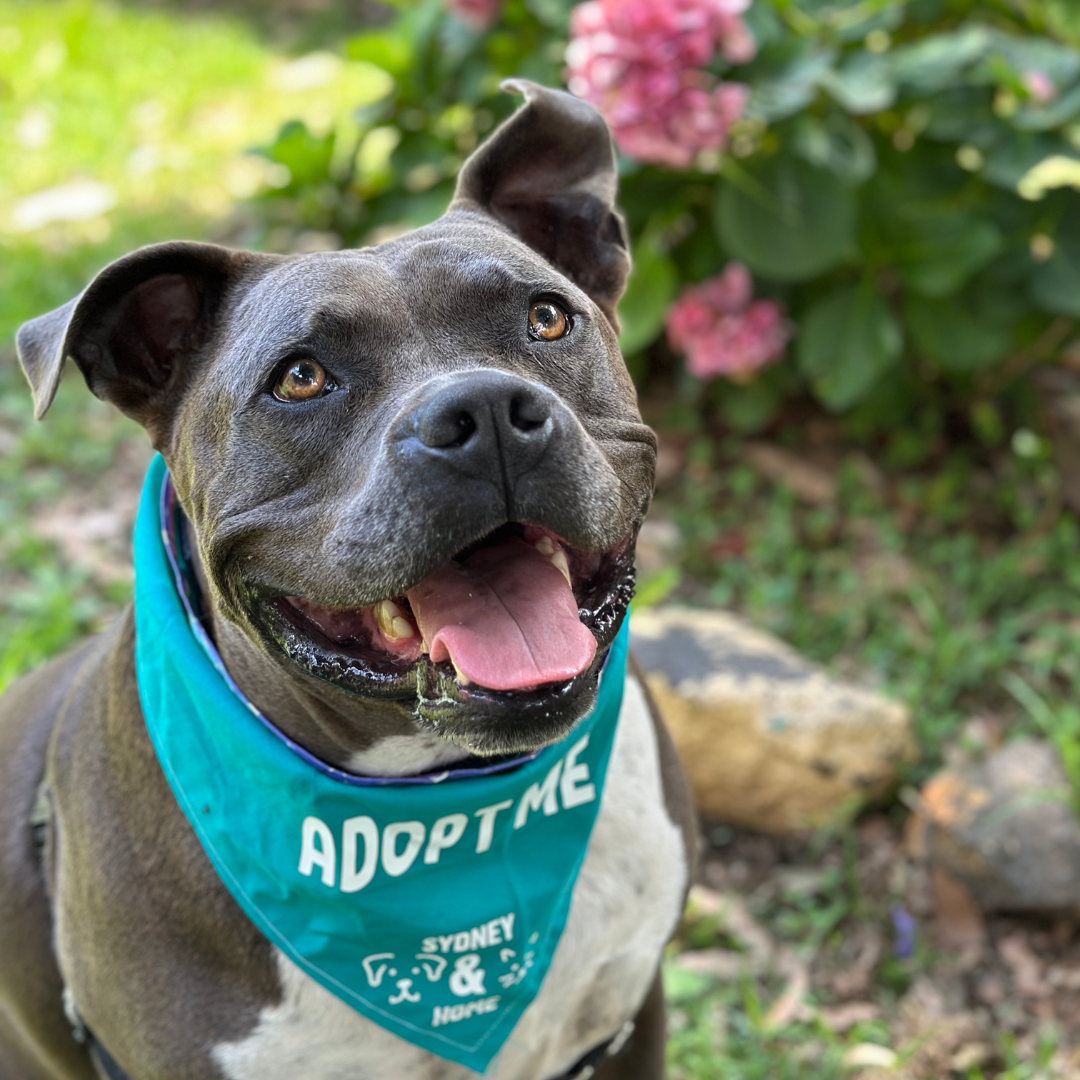
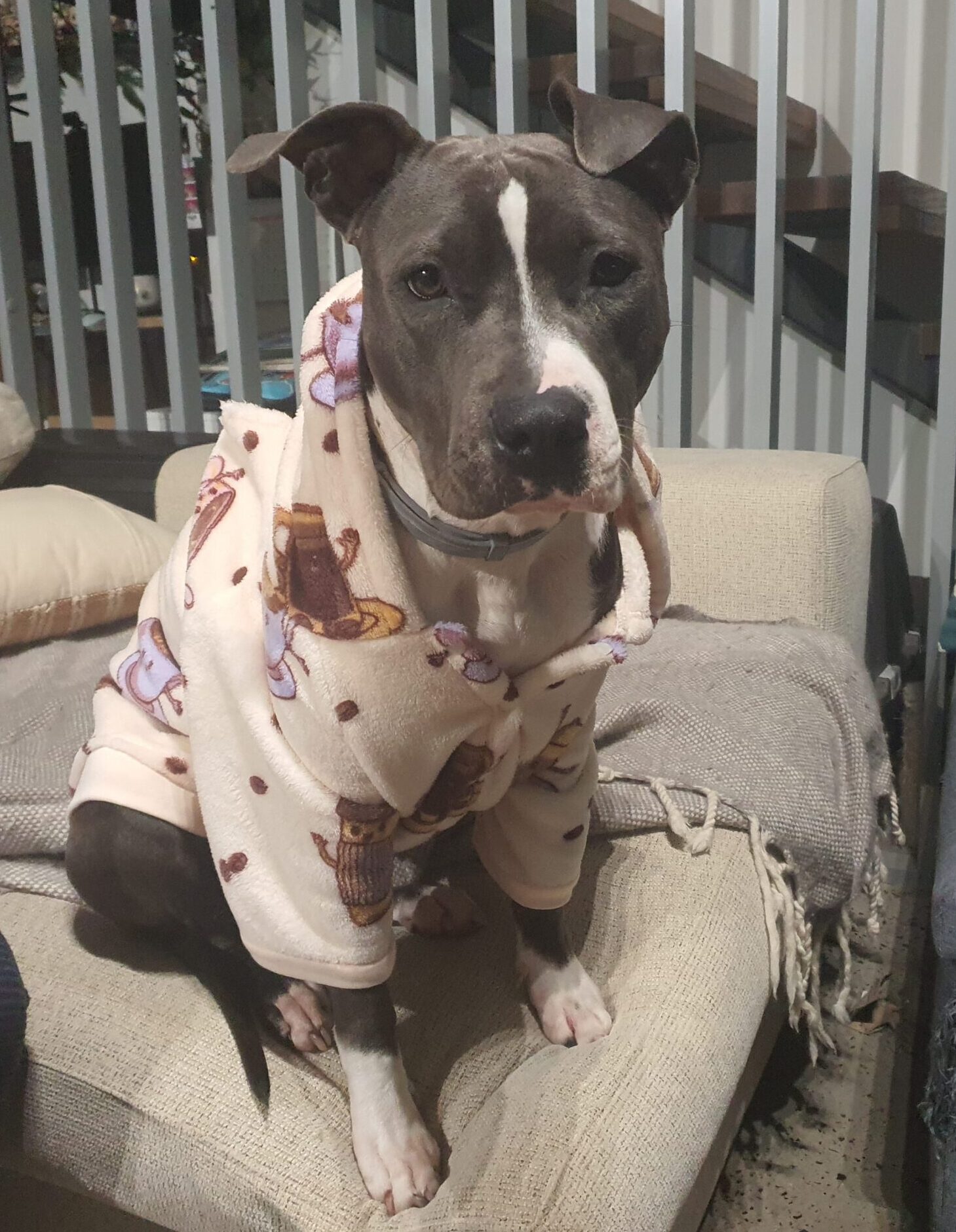
When Nitro came to Sydney Dogs & Cats Home almost a year ago, it was clear he was no ordinary dog. With his big heart, goofy grin, and a tail that never stops wagging, Nitro quickly became a cherished part of the Home. But despite his incredible personality, Nitro has spent nearly a year in care—and one of the main reasons is his epilepsy.

While the word “epilepsy” might sound daunting, caring for Nitro is easier than you might think. His condition is well-managed with daily medication, which he takes like a total champ, and regular vet check-ups. His foster carer, Patrick, has done a wonderful job keeping Nitro’s routine consistent, and Nitro has proven just how resilient and adaptable he is. His epilepsy doesn’t hold him back at all—he’s still a happy, playful, and affectionate dog who’s ready to live his best life in a loving home.

Don’t let his name fool you! While Nitro certainly has moments of playful energy, he’s just as happy lounging in the sun or curling up on the couch for a snooze, as he does in his foster home. Nitro is the perfect mix of fun and relaxation, making him an ideal companion for families who enjoy adventure walks and quiet moments.

Nitro is a true people-lover. From kids to seniors, he gets along with everyone he meets, greeting them with a friendly wag and an irresistible smile. Once he bonds with his humans, he’s incredibly loyal and loves to stay by their side, soaking up every bit of affection he can get. He’s also friendly with other dogs, though he prefers a proper introduction before making new canine friends.

We’ve seen firsthand how joyful and adaptable Nitro is. His zest for life remains undiminished, and he’s ready to show his future family just how easy it is to care for him while reaping the rewards of his boundless love and affection.

Nitro dreams of a forever home where he can be showered with cuddles, belly rubs, and all the love he deserves. He’d thrive in a family environment where he can be part of the action, whether it’s a weekend walk or a cosy movie night on the couch. While Nitro enjoys the company of other dogs, he’d be just as happy as the only pet in the home, soaking up all the attention.

This sweet boy has been waiting nearly a year for his chance to meet his forever family. We know the perfect home is out there—one that will welcome Nitro with open arms and give him the life he’s been dreaming of.

If you’re looking for a loyal, loving companion who will fill your home with warmth and joy, Nitro might just be the dog for you. Visit Nitro’s profile here to learn more or send an application to make this boy a part of your family. Every dog deserves a chance to be loved—and Nitro has so much love to give.


Published January 2025

Fostering a Rescue Pet

Love pets but not ready to commit to one for life? Check out how you can be a foster carer, instead – and help out an animal in need.  

In this blog post, we’ll explore the world of fostering, from its benefits and rewards to practical tips for getting started.  

The Power of Fostering 

For many animals, entering a shelter environment can be overwhelming and stressful. Fostering offers these pets a chance to escape the confines of a kennel and experience the comforts of a home environment. By opening their homes to rescue pets, foster families provide a safe haven where these animals can heal, decompress, and receive individualised attention, socialisation, and behavioural rehabilitation tailored to their specific needs. There are countless success stories of pets who have blossomed in foster care, going on to find their forever homes thanks to the love and dedication of their foster families. 

Fostering rescue animals provides them with a temporary home environment, which can greatly ease their transition to a permanent home. This experience can make them more adaptable and less stressed when they move to their forever homes. However, it’s important to remember that pets in kennels also receive care and love from dedicated shelter staff and volunteers. The goal is always to ensure every animal feels safe and cherished, whether they’re in a foster home or awaiting adoption at the shelter.

Benefits of Fostering for Foster Carers 

Fostering a pet is the opportunity to make a tangible and meaningful difference in the life of a rescue animal. By opening their hearts and homes to a pet in need, foster carers play a direct role in saving lives and helping pets on their journey to find their forever homes. The sense of fulfilment that comes from knowing you’ve made a positive impact on an animal’s life is truly unparalleled. 

Fostering also provides foster carers with the opportunity to experience the joy of companionship and connection with a furry friend. For individuals who may not be ready to commit to permanent pet ownership, fostering allows them to enjoy the benefits of having a pet in their lives without the long-term commitment.  

Fostering also offers foster carers the flexibility in terms of the type of animal they foster and the duration of their commitment. They have the freedom to choose animals that align with their lifestyle, preferences, and availability, allowing them to tailor their fostering experience to suit their needs.  

Who can become a pet foster carer? 

Anyone with a love for animals and a willingness to open their heart and home can become a pet foster carer! Whether you’re a family, a single individual, a retiree, a student or someone who can welcome a second pet into your home. As long as you have the time, space, and love to care for a foster pet, you can make a difference in the life of an animal in need. At Sydney Dogs & Cats Home, we provide the majority of the tools and equipment to foster a rescue animal and provide ongoing support for the duration of your foster pets stay with you. 

We also have options for short-term fostering in the case existing foster carers are going on holidays, away for work or other circumstances where they are unable to look after their foster pet for a short period. This helps prevent foster pets from returning to the shelter environment, potentially undoing any behaviours that were worked on in foster, and keeps space open for pet intakes.

How do I become a foster carer? 

If you are inspired by the idea of fostering rescue animals, consider reaching out to Sydney Dogs & Cats Home, we made the process easy! Complete the sign-up form and our team will be in contact with you. 

Sign up today 

Let’s make a difference together! 🙂

Common Plants Toxic to Pets

When it comes to the health and safety of our furry friends, pet owners go to great lengths to provide a safe and loving environment. However, many common household and garden plants can pose serious threats to pets. Understanding which plants are toxic is crucial to keeping our pets healthy. Here’s a guide to some of the most common toxic plants that could be lurking in your home or yard.

1. Lilies

Toxic to: Cats

Symptoms: Kidney failure, vomiting, lethargy, loss of appetite

Lilies are beautiful and fragrant, but they are highly toxic to cats. Even small amounts of pollen or water from a vase containing lilies can cause severe kidney damage and can be fatal.

2. Sago Palm

Toxic to: Dogs and cats

Symptoms: Vomiting, diarrhea, liver failure, seizures, death

Sago palms are popular ornamental plants, but all parts of the plant, especially the seeds, contain cycasin, a toxin that can cause severe liver damage.

3. Tulips and Hyacinths

Toxic to: Dogs and cats

Symptoms: Drooling, vomiting, diarrhea, central nervous system depression, respiratory issues

The bulbs of tulips and hyacinths contain toxins that can irritate the mouth and esophagus. Ingesting large amounts can lead to more serious problems.

4. Oleander

Toxic to: Dogs and cats

Symptoms: Severe vomiting, decreased heart rate, cardiac arrest, death

Oleander is highly toxic to pets and humans alike. The plant contains cardiac glycosides that can cause serious heart issues.

5. Azaleas and Rhododendrons

Toxic to: Dogs and cats

Symptoms: Vomiting, drooling, diarrhea, weakness, heart failure

Azaleas and rhododendrons contain grayanotoxins, which can disrupt the normal function of the heart and nervous system.

6. Dieffenbachia (Dumb Cane)

Toxic to: Dogs and cats

Symptoms: Oral irritation, drooling, vomiting, difficulty swallowing

Dieffenbachia is a common houseplant that can cause intense oral irritation and swelling of the tongue, mouth, and throat if ingested.

7. Autumn Crocus

Toxic to: Dogs and cats

Symptoms: Severe gastrointestinal distress, liver and kidney damage, respiratory failure, death

Autumn crocus contains colchicine, a substance that is extremely toxic and can cause multiple organ failure.

8. Philodendron

Toxic to: Dogs and cats

Symptoms: Oral irritation, drooling, vomiting, difficulty swallowing

Philodendron plants contain calcium oxalate crystals that can cause significant oral irritation and swelling if ingested.

9. English Ivy

Toxic to: Dogs and cats

Symptoms: Vomiting, abdominal pain, hypersalivation, diarrhea

English ivy is a popular climbing plant that can cause gastrointestinal issues and discomfort if consumed by pets.

10. Aloe Vera

Toxic to: Dogs and cats

Symptoms: Vomiting, diarrhea, lethargy, tremors

While aloe vera is known for its healing properties in humans, it contains saponins and anthraquinones that can be harmful to pets if ingested.

What to Do if Your Pet Ingests a Toxic Plant

If you suspect your pet has ingested a toxic plant, it’s important to act quickly:

  1. Remove any plant material from your pet’s mouth.
  2. Rinse their mouth with water to remove any remaining plant material.
  3. Contact your veterinarian immediately.
  4. If possible, identify the plant they ingested.

Safe Alternatives

Fortunately, there are many pet-safe plants you can choose for your home and garden, such as:

  • Spider plants
  • Boston ferns
  • Areca palms
  • Basil
  • Rosemary

As much as we love to decorate our homes and gardens with beautiful plants, it’s important to be aware of those that can be harmful to our pets. By choosing pet-safe plants and keeping toxic ones out of reach, we can ensure that our furry friends remain healthy and happy. Always consult with your veterinarian if you have any concerns about plant toxicity and your pets.

Safe Interactions Between Kids & Rescue Dogs

Bringing a rescue dog into your home can be a rewarding experience, offering a second chance at life for a deserving animal and providing your family with a loyal and loving companion. However, ensuring safe and positive interactions between kids and rescue dogs is crucial in creating a harmonious and happy household. Here are some tips and guidelines to help foster safe interactions and build strong bonds.

Understanding your rescue dog’s background

Rescue dogs can come from challenging backgrounds. Understanding and respecting their past experiences is essential in creating a safe environment for them and your children. Here’s how to get started:

  • Learn about your dog’s history: Before bringing a rescue dog home, gather as much information as possible about their past. This can help you anticipate potential triggers and behaviours.
  • Be patient and observant: Allow your dog time to adjust to their new environment. Watch for signs of anxiety or discomfort and address them promptly.

Actively supervising and physically separating

The most important thing is to always actively supervise when your child and your dog are together. You can make physical separation easier by setting up playpens and baby gates to create barriers. Make sure babies, young children and dogs are closely supervised at all times (within arm’s reach and without distractions) when they’re together, especially during playtime.

Never place children on top of or next to your dog. Keep their face out of the dog’s face, and get into the habit of putting yourself between the dog and baby (like when you’re sitting on the floor or couch).

Teaching kids about safe interactions

Educating your children on how to interact safely and respectfully with the new family member is vital. Here are some key points to cover:

  • Approach calmly and slowly: Teach kids to invite the dog to them instead of approaching the dog. Explain the importance of being calm and avoiding sudden movements or loud noises that might startle the dog.
  • Respect personal space: Explain the importance of giving the dog space, especially when they are eating, sleeping, chewing or resting in their designated area.
  • Recognise body language: Help children understand dog body language. For instance, a wagging tail does not always mean a dog is happy, and a dog showing teeth is a clear sign to back off.

Creating a safe space for the dog

Setting up a special and safe area in a quiet place in the home for your dog to retreat to when they need space. It can be a bed or crate. Teach your kids that it’s a special alone place for your dog to go to and that they’re not allowed in it when your dog is there. You can even stick a line of masking tape about a metre from the area to help kids (and adults!) learn boundaries around the dog. They can call the dog over the line to them, and if the dog comes, great! If not, leave them alone (and never enter the space while the dog is in there).

Learning how your dog communicates

Our dogs are always telling us things and use their body to communicate. Some signs can be subtle, so it’s important to make sure that you and all other adults and kids in the household are familiar with your dog’s body language. This will mean you can spot any early warning signs that your dog is stressed, uncomfortable, scared or frustrated, and you can separate them from your child immediately before it escalates.

The earliest signs that your dog is uncomfortable are signs of avoidant behaviour such as turning their face away, leaning their bodyweight away, and trying to walk away.

Other common early indicators that your dog is uncomfortable and should be separated from your child include:

  • Stiff body
  • Closed mouth
  • Turning their head away
  • ‘Whale eye’
  • Yawning
  • Tongue flicks
  • Tense facial muscles
  • Quick and shallow breathing
  • Shaking off
  • Excessive grooming, like scratching or licking

 Building trust and bonding

Building a strong, trusting relationship between your children and the rescue dog takes time and effort but is incredibly rewarding. Here’s how to encourage bonding:

  • Positive reinforcement: Use positive reinforcement techniques to encourage good behaviour in the dog. Praise, treats, and affection can help build trust and reinforce positive interactions.
  • Shared activities: Engage in activities that both the dog and the kids can enjoy together, such as gentle play, walks, and training sessions. This helps to build a bond and establish positive associations.
  • Respect and compassion: Teach children to be compassionate and empathetic towards the dog’s feelings and needs. This fosters mutual respect and understanding.

Introducing a rescue dog into your family can be a wonderful experience, especially when you ensure that interactions between your kids and your rescue dog are safe and positive. By educating your children, creating a safe environment, and building trust, you can help foster a loving and harmonious relationship that benefits both the dog and your family. Remember, patience and understanding go a long way in helping a rescue dog feel at home and become a cherished member of your family.

If you are concerned about the safety of your child or dog, please contact Ana at behaviour@sdch.org.au as soon as possible.


Willow’s Journey: From Shelter to Forever Home

Willow spent her first week of 2024 lost before coming into Sydney Dogs & Cats Home. At 12 years old, this golden oldie should have been spending her days relaxing in her home, not in a shelter. Willow was safely off the streets and happily spending her days snoozing and going on walks with staff and volunteers and making doggy friends.

While Willow was a happy dog and in good spirits, she had dental disease and needed some teeth extracted to reduce any pain and discomfort and she was diagnosed with osteoarthritis in her hips and hind legs. Willow underwent surgery to remove the affected teeth and was put on medication to help with the osteoarthritis. Willow spent the next few weeks in the shelter recovering and becoming the office dog during the hot summer days, basking in the cool AC.

It wasn’t long before Willow caught the eye of Sarah-Jane and her family who brought Willow home at the end of February. Sarah-Jane sent an update recently and has commented on how wonderful Willow has slotted into her new family’s home and lives, “it’s as if she has been here all along!”

Willow has been quite fond of Sarah-Jane, sleeping next to her bed and under the desk while she is working. Willow has become fond of dinner time, parking herself in the kitchen amongst the action.

Apart from spending time with her humans and dinner time, Willow enjoys her twice daily walks and visiting the pet supply store for new treats and squeaky toys, and always receives a lot of love when out and about.

We’re so happy to see a senior dog like Willow receiving the love she deserves.

If you are looking to add a furry friend to your life, consider an older pet who still has so much love to give.


Published April 2024


Donut the dog says THANK YOU!

We are excited to share that Donut the dog, thanks to supporters like you, has found her forever home! Donut came to us in November 2022 as an 11-month-old who was found lost and scared wandering the streets. She was very skinny, required two major surgeries to fix the pain in her knees and she needed dental surgery to address some severe issues. Despite her health issues, Donut is an incredibly friendly dog and loves being around people, so it surprised us that it took just over a year to find her forever home.

But good things happen to good dogs who wait! Donut’s new mum Phoebe had also been patiently waiting for the perfect moment to adopt a dog, something she had been wanting to do for most of her life. As soon as she and her family moved into a new home, her hunt for the perfect dog begun late last year. Phoebe instantly fell in love with Donut’s gorgeous smile, standing out from all the photos on our website. Phoebe and Donut’s wait was worth it as they have both found their soulmate.

Donut is now living her best life and hasn’t let her multiple surgeries slow her down! She enjoys going on daily walks, going on beach adventures and frolicking in the water throughout the summer, chasing balls at the park and playing with any toy that squeaks. She quickly found her spot on the sofa which remains ‘Donut’s spot’ and learnt that the vacuum cleaner is her number one enemy.

It didn’t take Donut long to settle in at all. She is loving being around her people and playing as much as she can, showcasing her funny, clumsy and bright side.

It is because of your support; sharing our stories, emails and social media posts, and donating that allows us to help Donut and other pets like her.

Want to support more dogs like Donut? You can donate here.

Verified by MonsterInsights