



 MON-SUN:
 442-446 LIVERPOOL ROAD
 02 9587 9611
 INFO@SYDNEYDOGSANDCATSHOME.ORG




Ringworm sounds scary. The reality is much less so.
E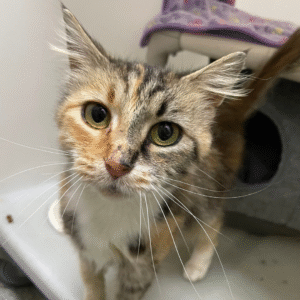 very year, especially during peak kitten season, we see an increase in cats and kittens coming into our care with ringworm. And every year, we notice the same thing happens. Cats with ringworm are often overlooked for adoption. We get it. The name alone sounds alarming.
But here’s the truth: ringworm is common, treatable, and temporary. With the right care, these cats go on to live completely normal, healthy lives. Let’s break down what ringworm actually is, and why adopting a cat with ringworm might be far less daunting than you think.
What is ringworm?
Despite the name, ringworm is not a worm. It’s a fungal skin infection that affects the hair, skin, and sometimes nails.
In cats, it commonly appears as:
-
Small circular patches of hair loss
-
Mild redness or flakiness
-
Occasionally itchy areas
Some cats show very few symptoms, while others may have more noticeable patches.
Ringworm is especially common in:
-
Kittens
-
Cats from crowded environments
-
Animals experiencing stress or lowered immunity
Which is why shelters often see it during busy periods.
Is ringworm dangerous?
For otherwise healthy cats and people, ringworm is not dangerous.
It is:
-
Treatable
-
Temporary
-
Not life-threatening
Yes, it can spread between animals and humans, but with basic hygiene and treatment, it is very manageable. Many families unknowingly deal with ringworm every year through schools, daycares, gyms, and even shared yoga mats.
How is ringworm treated?
Treatment is straightforward and time-limited. Depending on the case, it may include:
-
Medicated baths or wipes
-
Oral antifungal medication
-
Regular cleaning of bedding and surfaces
Our team provides guidance and support, so adopters know exactly what to do. Most cats respond well and recover fully. Once treated, ringworm does not come back unless re-exposed.
Why do cats with ringworm get overlooked?
We see it every year. The word “ringworm” can make people hesitate, even though the condition itself is far less complicated than it sounds. Sadly, this means some incredibly sweet, affectionate, playful cats wait longer for homes simply because of a temporary skin condition. That’s why we talk openly about ringworm. Education helps cats get adopted faster.
Why we run a ringworm adoption special
During kitten season, we care for a high number of cats at once. Ringworm cases increase, adoption slows, and space becomes limited.
Our ringworm adoption special is designed to:
-
Encourage informed, compassionate adoptions
-
Reduce the length of stay for treatable cases
-
Help more cats move into homes where recovery is often quicker and less stressful
Adopting a ringworm cat doesn’t mean “extra hard”. It means extra needed.
 These cats are more than a diagnosis
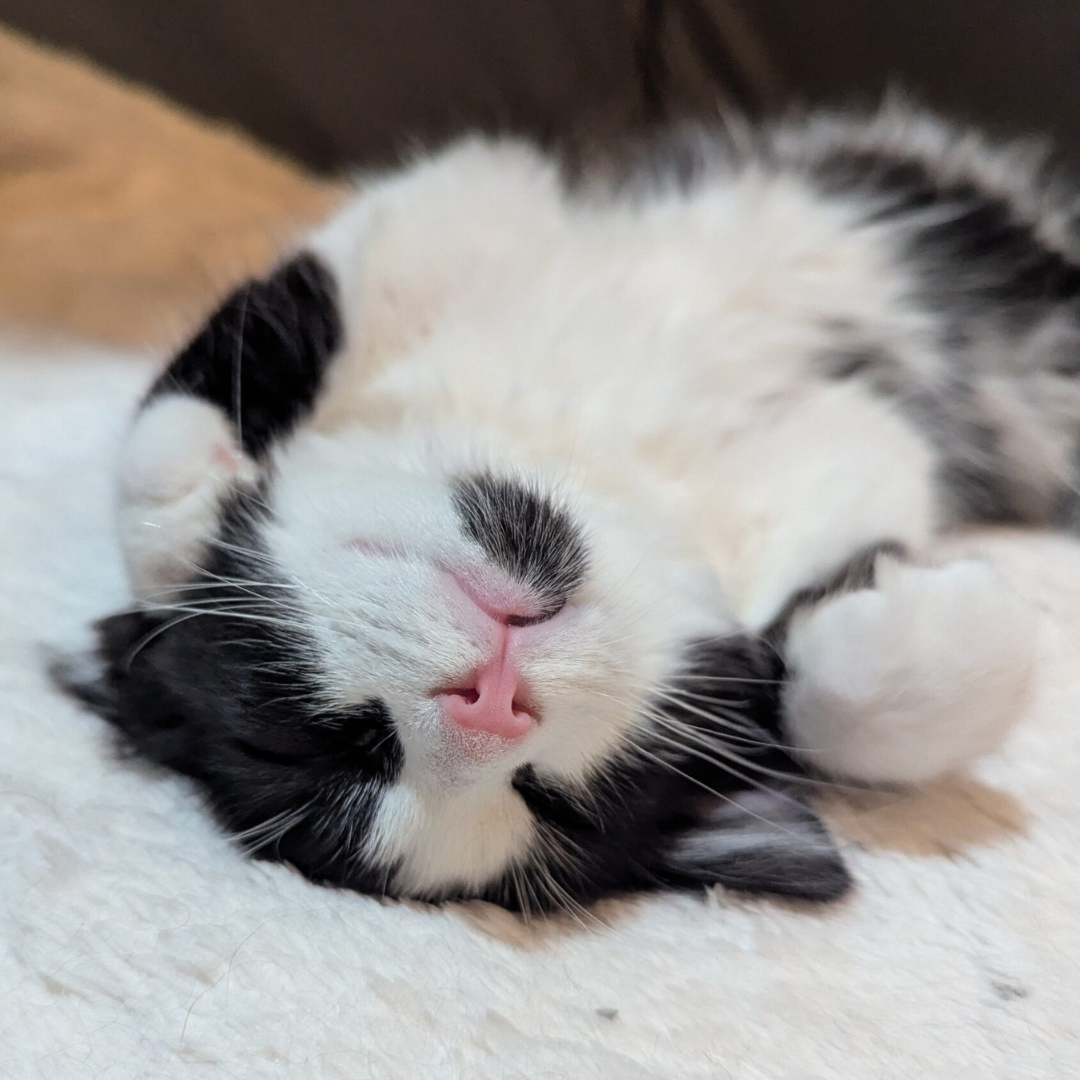
Behind every ringworm case is a cat who:
-
Wants a couch to nap on
-
Loves chin scratches and warm beds
-
Has no idea they’re being overlooked
Ringworm is temporary. Love is permanent.
If you’ve been thinking about adoption and feel confident following a treatment plan, a ringworm cat could be the perfect match for you.
👉 View our adoption page for cats available and learn more about our ringworm adoption special.

Recent Comments