
 MON-SUN:
 442-446 LIVERPOOL ROAD
 02 9587 9611
 INFO@SYDNEYDOGSANDCATSHOME.ORG




INSIGHTS: Evaluating Your Brand’s Vital Signs
How to Conduct a Brand Health Check for Your Business
Your brand is more than just a logo or a product—it’s the essence of your business and the perception that consumers have of it. Just like regular check-ups are essential for maintaining good physical health, conducting a brand health check is crucial for ensuring the long-term success and vitality of your business.
Whether, like some of partners, you are all across this or even if this is all new to you, it’s a good reminder to set aside essential time to health check your brand.
Here are some of the key steps involved in evaluating your brand’s health and diagnosing areas for improvement.
1. Define Your Brand Objectives and Metrics: Start by clearly defining what success looks like for your brand. Establish specific objectives, such as increasing brand awareness, improving customer loyalty, or expanding into new markets. Identify measurable metrics that align with these objectives, such as brand sentiment, customer satisfaction scores, or market share.
2. Assess Brand Perception: Gather feedback from key stakeholders, including customers, employees, and industry experts, to understand how your brand is perceived. Conduct surveys, interviews, and focus groups to gauge brand awareness, perception, and associations. Analyse online reviews, social media mentions, and customer feedback to identify strengths and weaknesses in brand perception.
3. Evaluate Brand Identity and Visual Assets: Review your brand’s visual elements, including logos, color palettes, typography, and imagery, to ensure consistency and alignment with your brand values and positioning. Assess how well these elements reflect your brand personality and resonate with your target audience. Consider conducting a brand audit to identify inconsistencies or areas for improvement.
4. Examine Brand Messaging and Communication: Evaluate the clarity, consistency, and relevance of your brand messaging across all touchpoints, including marketing materials, website content, social media posts, and customer communications. Assess whether your messaging effectively communicates your brand values, benefits, and unique selling proposition. Repetition and simplicity in your messaging is key to your target audience hearing you. Identify any messaging gaps or opportunities for refinement.
5. Analyse Brand Engagement and Customer Experience: Assess the quality of the customer experience at every touchpoint, from initial brand interaction to post-purchase support. Measure customer satisfaction, loyalty, and advocacy through metrics such as Net Promoter Score (NPS) and customer retention rates. Identify pain points in the customer journey and opportunities to enhance brand engagement and loyalty.
6. Aligning with Partners of Shared Values: Evaluate partnerships and collaborations with organisations that share your brand values and contribute positively to your brand image. For example, aligning with a charity like Sydney Dogs & Cats Home not only demonstrates your commitment to social responsibility and will attract and retain engaged staff, but also enhances brand perception among consumers who value animal welfare. Assess the effectiveness of these partnerships in reinforcing your brand values and reaching your target audience.
7. Benchmark Against Competitors: Compare your brand performance against competitors within your industry to identify strengths, weaknesses, opportunities, and threats. Analyse competitor positioning, messaging, visual identity, and customer perceptions to identify areas where your brand can differentiate and improve.
8. Develop an Action Plan: Based on your brand health assessment, prioritise areas for improvement and develop a comprehensive action plan. Set specific goals, strategies, and tactics for addressing identified weaknesses and capitalising on strengths. Assign responsibilities, allocate resources, and establish timelines for implementation.
I know this is topline and it’s simply meant to be food for thought. Think of it as a reminder to not let your brand health needs become overwhelming. Simply make a start in looking at some of the above. Conducting a brand health check is essential for ensuring that your brand remains relevant, competitive, and resilient in today’s marketplace.
By regularly evaluating key aspects of your brand, identifying areas for improvement, and taking proactive steps to enhance brand health, you can strengthen customer relationships, drive business growth, and position your brand for long-term success. Remember, a healthy brand is a valuable asset that requires ongoing care and attention.
Hope this helps! If you have ideas or steps you’ve taken that have helped your brand, then please share and we can include them in the next newsletter. Email me on karen.kalpage@sdch.org.au
Thank you,
Karen
Karen Kalpage
Head of Fundraising and Marketing
Sydney Dogs & Cats Home
Donut the dog says THANK YOU!
We are excited to share that Donut the dog, thanks to supporters like you, has found her forever home! Donut came to us in November 2022 as an 11-month-old who was found lost and scared wandering the streets. She was very skinny, required two major surgeries to fix the pain in her knees and she needed dental surgery to address some severe issues. Despite her health issues, Donut is an incredibly friendly dog and loves being around people, so it surprised us that it took just over a year to find her forever home.
But good things happen to good dogs who wait! Donut’s new mum Phoebe had also been patiently waiting for the perfect moment to adopt a dog, something she had been wanting to do for most of her life. As soon as she and her family moved into a new home, her hunt for the perfect dog begun late last year. Phoebe instantly fell in love with Donut’s gorgeous smile, standing out from all the photos on our website. Phoebe and Donut’s wait was worth it as they have both found their soulmate.
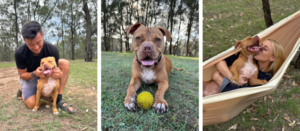
Donut is now living her best life and hasn’t let her multiple surgeries slow her down! She enjoys going on daily walks, going on beach adventures and frolicking in the water throughout the summer, chasing balls at the park and playing with any toy that squeaks. She quickly found her spot on the sofa which remains ‘Donut’s spot’ and learnt that the vacuum cleaner is her number one enemy.
It didn’t take Donut long to settle in at all. She is loving being around her people and playing as much as she can, showcasing her funny, clumsy and bright side.
It is because of your support; sharing our stories, emails and social media posts, and donating that allows us to help Donut and other pets like her.
Want to support more dogs like Donut? You can donate here.
Add Fun to Your Dog’s Day
Are you looking for ideas to make your furry friend’s life better?
We delve into the transformative realm of dog enrichment activities—an essential ingredient for nurturing happy, healthy, and well-rounded dogs. We lead busy lives and often it’s necessary for us to be away from home for long periods. But just like us, dogs like to be kept entertained and can easily become bored without enough to do leading to unwanted and destructive behaviours.
Enrichment is more than just a buzzword; it’s a commitment to providing an environment and activities that look after your dog’s physical, mental, and emotional well-being. In other words, finding ways to enrich your dog’s life!
Below are some ideas, but explore limitless possibilities by tapping into your imagination. Try to mix it up too – doing the same activity day after day lowers its value. When presenting a new challenge or food toy to your dog, start easy. Let them see you scatter the food, have the food in a ball that easily comes out etc. Then, slowly increase difficulty.
Enrichment toys
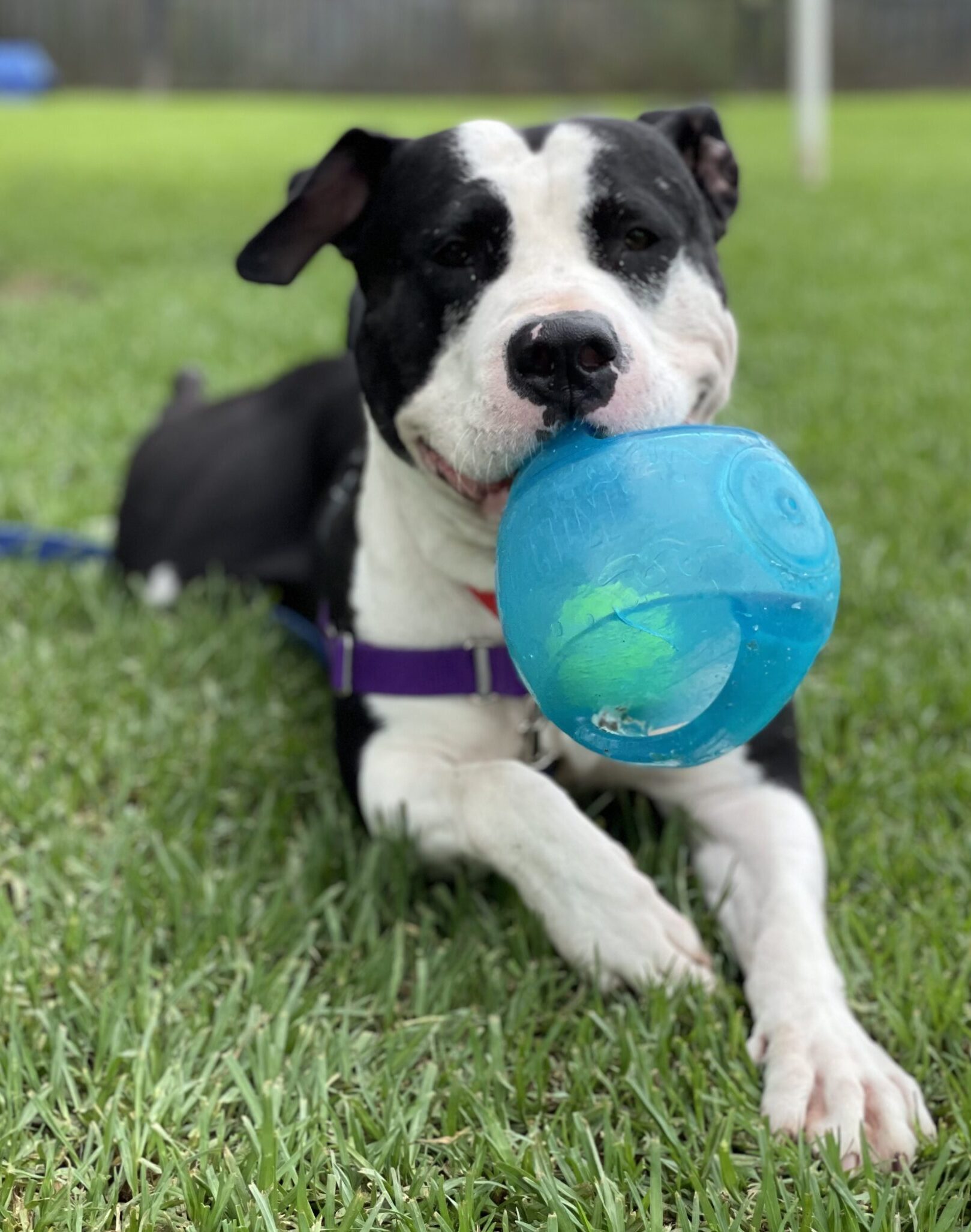
Interactive toys stimulate a dog’s natural impulses to chew, gnaw, chase, and forage. Not only do puzzle toys give your dog’s brain a workout, but they also allow your dog a positive sense of achievement.
- Snuffle Mat: A snuffle mat keeps your dog entertained and slows down their mealtimes. Simply sprinkle their favourite treats or mealtime kibble through the ruffled wing sections and let them find it when they are home alone for a long-lasting, tasty and brain-stimulating exercise!
- Kong: A Kong is a hard, rubber, snowman-shaped toy with a small hole on top and a large one on the bottom. It takes just a few minutes to stuff a Kong toy with food or treats and can occupy your dog for several hours, depending on your dog’s personality and interest level. As your dog works to remove food or treats from the Kong toy, they expend excess energy. Not only does this help reduce boredom, but it can also help alleviate anxiety. For a longer experience, freeze the Kong before giving it to your dog.
- Lickimat: A lick mat is a flat mat, designed for your dog to lick, over and over. They are usually coated with ridges and brittles that encourage licking. Since they are flat, dogs are not able to grab food with their teeth and must use their tongue instead. The result: it takes much longer to eat all the food and provides a fun and stimulating activity for your dog.

Chew toys
Chewing naturally increases a dog’s overall well-being. The repetitive action of chewing releases serotonin and dopamine, two important neurotransmitters in the brain that support mental health, and a feel-good vibe. Provide your dog with some long-lasting chews such as:
- Bully stick
- Goat horn
- Deer antler
- Kangaroo tails
DIY enrichment
Enrichment doesn’t need to be expensive, and you don’t have to spend money to get started. In fact, there are many things you can do using things you’ve already got at home!
- Rolled-up towels: Roll some treats into a towel or bathmat and let your dog unroll it to find the treats throughout. You can level up by tucking the end of the towel into a box or plastic container, so it doesn’t unravel as easily. Encourage the dog to interact with the towel to get to the treats.
- Frozen treats: Freeze some of your dog’s favourite treats into an ice block! Let them enjoy and uncover the treats within.
- Scavenger Hunts: Put your dog’s food or dried treats in multiple places around the house or your yard, or simply scatter it amongst the grass and let your dog search! You can start with just one room or a small area of lawn and level up by using your entire yard or house.
- Toy hide-and-seek: You can even teach them to find toys. Get them excited about a toy, then let them see you go hide it somewhere easy – say “go find” they get it and you play. Then you slowly make it harder. You could even choose two toys for them to play with each day.
- Recycling pit: Add loose cardboard boxes, empty toilet rolls, egg boxes, scrunched-up towels etc to a large box or shell pool and scatter food throughout. You can level up by adding some food into closed boxes, stuffing scrunched paper and food into tubes so there are multiple small puzzles within the bigger puzzle!
Get started with dog enrichment and tag us on social media to spread the joy!
Back to Work and School Routine for a Happy Dog
 As the back-to-school or return-to-work season approaches, families experience a shift in their household routines. It’s time to start setting early alarms, packing school lunches and leaving the house quiet during the day. Your dog’s daily routine also will change, and they will be home alone more.
While it’s normal for dogs to feel a little out of sorts as they adjust to this new routine, here are a few steps you can take to ease the transition:
1. Practice your new routine before school/work starts
Get your dog used to their new routine as soon as you can. Mimicking your back-to-school or work routine early allows your dog to gradually adjust to the change instead of making the switch abruptly. Establish a consistent routine and stick to it:
- Set your alarm and begin your mornings as you would on a normal school day
- Take your dog out for a bathroom break or walk at the same time you will on weekdays (both in the morning and evening)
- Practice leaving your dog alone at home for small periods to help them adjust
- Set their meal routine (again, both mornings and evenings) at their new times
2. Plan extra exercise in the mornings and evenings
Even with the chaos of the daily routine starting again, your dog still needs to be exercised to keep them happy and healthy. Walking your dog in the morning gives them a chance to burn any energy and leaves them tired for a day without the company they’re used to having. Allow 30 to 45 minutes in the morning for walking, playing and interacting with the outside environment and schedule another exercise, play and/or training session with your dog in the afternoon/evening.
3. Keep your dog mentally stimulated during the day
While our dogs are home alone, they like to be kept entertained. Boredom in dogs can lead to destructive behaviours and behavioural issues. Providing enrichment for your dog is one of the most important things you can do and it’s easy to incorporate into your daily routine. Using a Kong toy stuffed with peanut butter, or a LickiMat with some Greek yoghurt can keep your dog busy for a while. Freezing them in advance can provide even more entertainment since it will take your dog longer to lick out all the deliciousness. Dogs love to chew so provide them with appropriate long-lasting chews such as bully sticks, goat horns or deer antlers.
You can also leave some slow music on during the day. Your dog will go from constantly hearing voices during the day to complete silence for hours. You can find some playlists for doggies on Spotify or leave the radio on.
4. Hire a dog walker/sign up for doggy daycare
Maybe your schedule doesn’t allow for enough walking time in the morning, or you just don’t want your dog to spend the day alone. Enrol your dog with a local dog walker or doggy daycare.
Back to school/work is a tough adjustment for everyone. If your dog seems to struggle with the new routine and you need help, our Pawsitive Behaviour Consultant is here to help. Contact us today for more information.
Executive Insights
Overcoming tough times
By Melissa Penn, Managing Director, Sydney Dogs & Cats Home
We have experienced really hard financial times over the years, being heavily reliant on the generosity of our community of supporters to keep us going. In recent times, with the increased cost pressure of running multiple sites, our finances looked dire and we were at risk of closure. We had to instil some efficient and effective budget management and financial sustainability strategies immediately. Here are 5 ways to show how we turned ourselves around. Hopefully some of these tips can help your business weather tough times too.
1. Conducted a Comprehensive Cost Audit: We began by conducting a thorough review of our current expenses. Identifying all fixed and variable costs, and categorised them based on necessity and priority. We have always operated very leanly, but we pulled everything out that we could to minimise outgoings and strain on the organisation and developed an operating budget for each department. This included revising our income billing structures to ensure a sustainable model was developed to not just minimise outgoings, but to maximise incomings.
2. Reviewed Organisation Chart: A problem we have always faced is not having enough resources. However, we don’t have the funds to just keep hiring staff. So we performed a comprehensive review of our organisational structure to ensure resources were allocated efficiently. In times of financial strain, its crucial to maximise the impact of each team member, so having the right people in the right roles is crucial. Upskilling or cross training staff is also important to cover multiple functions, which can vary day to day. We redistributed staff and resources to address the most critical gaps, trimming our senior leadership roles and investing more into front line areas where the biggest gaps were identified.
3. Negotiate with Suppliers and Vendors: We reviewed all our suppliers to ensure we were getting the best value and negotiated better terms, and importantly set up as many pro and low bono partnerships where possible. Many businesses are willing to discuss different forms of support, payment plans, discounts, or rebates during tough economic times. Building strong, transparent relationships with your suppliers can lead to agreements that help both parties weather financial challenges.
4. Look for Creative New Income-Generating Opportunities: In addition to cutting costs, we explored how we could innovate new income streams. This involved creating upselling opportunities, for the first-time opening Vet services to the public and other Councils, developing a new sales and merchandise range, targeting new customer and donor segments and adapting our business model. By actively seeking new revenue sources, you can offset financial challenges and potentially discover untapped markets for your products or services. This approach focuses on not just reducing costs but also proactively driving revenue growth during challenging times. Partnerships, collaborations, and exploring emerging trends is critical. We also tested new segments and used data to inform and guide where we invest funds in marketing and promoting to help with revenue growth.
5. System Efficiencies and Continual Improvement: It is important that we focus on continual improvement opportunities, not just to ensure we are providing the highest quality of care for our animals, but to ensure we are working efficiently to maximise our limited resources. This included investing in systems to enhance productivity and promote resource efficiencies. Regular reassessing and refining processes ensures our systems stay agile and are responsive to our changing and growing business needs.
Our partners are important to us. I think it’s important to continue sharing with each other trends, tips, what’s working, and what isn’t, so we can continue to build and strengthen each other and our wonderful community who continue to help lost and abandoned pets.
Thank you,
Melissa
Managing Director
Sydney Dogs & Cats Home
Partner Perspectives: Benny Button
Sydney Dogs & Cats Home partner Benny Button kicks off our Partner Perspective Series with an article on mindfulness to help your staff start their year right:
Being Mindful when ‘Busyness’ is back!
Most of us are coming out of what has hopefully been a restful and replenishing holiday season. But now it’s back to work and the resumption of the ‘norm’ where our modern lives and workplaces are busier than ever.
Before we know it demanding workloads and numerous responsibilities will be filling our calendars and to-do lists to the brink of bursting. The constant flow of information, email, and media competing for our attention at all hours of the day resumes. It’s not hard to see that we can become so busy being busy that we lose sight of what is most important to us, or even lose our sense of self and connection with others.
Our brains do their best to cope with these demands by setting habits of thinking, feeling, deciding and behaving that aim to help us handle our workloads and the high expectations we place on ourselves. It’s like having ‘default settings’ in our brains that guide us to navigate our daily experiences as if we are on autopilot mode.
We can all benefit from making time to slow down and tune into what’s important. We can reawaken our awareness and focus our attention on what matters – taking action mindfully. What’s more, we can practise doing this – even train this capability – because ‘busyness’ has become the default setting and our brains are switching into autopilot mode in an attempt to cope with the demand. This process is mindfulness, and it is something research shows us is incredibly valuable.
While the above context is serious stuff, we can have some fun learning ways to practice mindful awareness and building our attention skills. We can enjoy the process of firing, wiring, and rewiring our brain’s default settings and switching off our autopilot – all while experiencing novel and interesting experiences.
Here are five practical ways to practice mindfulness, each with clear action steps:
1. Mindful Breathing Breaks:
Action: Schedule short breaks (1 to 5 minutes) throughout your workday. During these breaks, focus solely on your breathing. Sit comfortably, close your eyes, and take deep, slow breaths. Concentrate on the sensation of air entering and leaving your nostrils, and the rise and fall of your chest. If your mind wanders, gently bring your focus back to your breath. If you would like an example of a practice watch this instructional video from Dr. Adrian Medhurst. Take a mindful breather
2. Mindful Eating:
Action: Choose one meal or snack each day to eat mindfully. Turn off all distractions like TV or smartphones. Pay attention to the colors, textures, smells, and flavors of your food. Chew slowly, savoring each bite and noticing the sensations and tastes. If you’re up for it take some time to reflect on the journey of the food – from where it was grown to how it was prepared.
3. Mindful Walking:
Action: Dedicate 10-15 minutes a day to go for a mindful walk. This can be done during a break at work or in your neighborhood. Walk slowly and deliberately, noticing each step and the sensations in your feet and legs. Observe your surroundings – the sights, sounds, and smells. Use this time to connect with the environment, allowing your mind to focus on the present moment. Did you know ‘Awe Walking is a thing? Curious? Take a look at this article.
4. Gratitude Journaling:
Action: Each evening, spend a few minutes writing down three things you are grateful for that day. These can be simple things like a sunny day, a productive meeting, or a kind gesture from a colleague. This practice helps to shift focus from the day’s stresses and cultivate a mindset of appreciation and positivity.
5. Mindful Listening:
Action: During conversations, practice fully focusing on the person talking. Put away any distractions, maintain eye contact, and listen without planning your response. Notice the person’s expressions and tone. Be present in the conversation, acknowledging the other person’s feelings and perspectives. This not only enhances your mindfulness but also strengthens your relationships.
Incorporating these practices into your daily routine can help in managing stress, enhancing focus, and maintaining a connection with the present moment as ‘busyness’ kicks back into gear.
Troy Mansell
Co-Founder & Director
Benny Button
Want to learn more? Talk to Troy at hello@bennybutton.com
**Benny Button partners with Sydney Dogs & Cats Home to assist staff with wellbeing as well as donating to help lost and unwanted pets.
Caring for Senior Pets
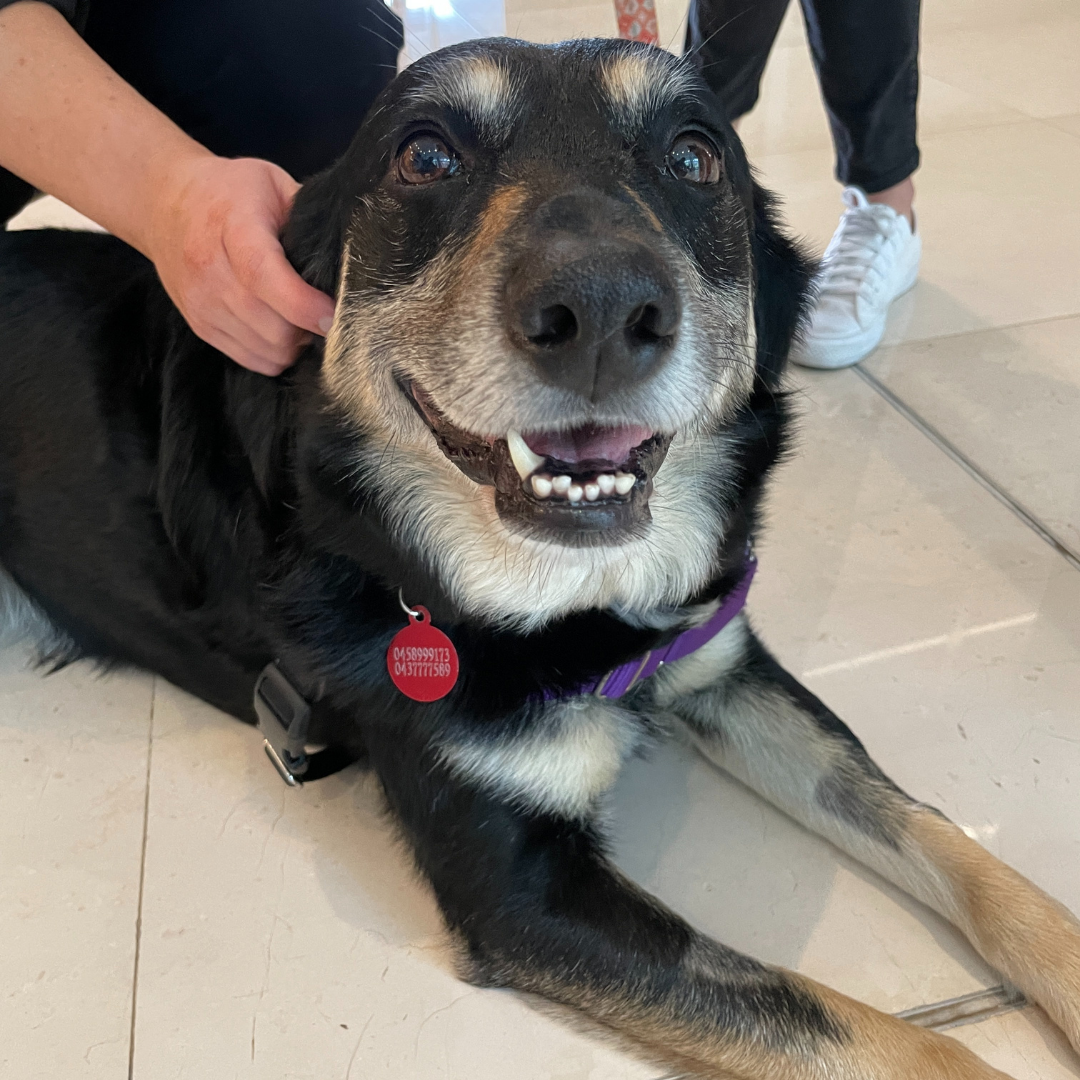 Senior pets, especially senior rescue pets, can be some of the most loving and loyal companions you’ll ever have. While they may have a few more grey hairs and a bit of wear and tear, these golden oldies can bring immense joy into your life. Caring for senior pets requires some special attention and understanding to ensure their golden years are comfortable and happy. Here are our top tips for taking care of senior rescue pets.
- Vet Visits Are Essential
Regular veterinary check-ups become even more critical as pets age. Make sure your senior rescue pet has a comprehensive examination at least once a year. These check-ups can help detect and address age-related health issues such as arthritis, dental problems, and organ function decline. If you’re in the Sydney area, you might be pleased to know that the Sydney Dogs & Cats Home now offers vet services to the public, providing expert care for your senior pet. Discuss with one of our friendly vets or with your vet about any specific concerns related to your senior pet’s breed or history. It’s a wonderful way to ensure your beloved companion’s golden years are filled with health and happiness. - Proper Nutrition
Senior pets often require specialised diets to support their changing nutritional needs. Your vet can recommend senior pet food with lower calories to prevent obesity and supplements that might aid in joint health. Feeding them a balanced and age-appropriate diet can help manage common senior issues such as weight gain and dental problems. - Maintain a Healthy Weight
Senior pets are more prone to obesity, which can exacerbate age-related health problems. Be mindful of portion control and monitor your pet’s weight regularly. Exercise them appropriately to keep their muscles and joints in good shape. Consult your vet for advice on the best exercise regimen for your senior rescue pet. - Provide Comfort and Mobility
Older pets can struggle with arthritis and joint pain. Make their lives more comfortable by providing soft bedding and keeping their living environment warm. You might also consider installing ramps or steps to help them reach their favourite spots without straining their joints. - Dental Care
Dental health is a common issue in senior pets. Periodontal disease can lead to pain and even systemic health problems. Brushing your pet’s teeth and providing dental chews can help maintain their oral hygiene. Regular dental check-ups are also crucial to address any dental issues promptly. - Mental Stimulation
Senior pets, just like their human counterparts, can benefit from mental stimulation. Engage them with interactive toys, puzzles, and gentle play. This not only keeps their minds active but also strengthens the bond between you and your pet. - Grooming and Hygiene
Maintain a regular grooming routine to keep your senior pet’s coat clean and tangle-free. Older animals may struggle to groom themselves effectively, and mats or tangles can be uncomfortable. Additionally, check for lumps, bumps, or unusual skin conditions during grooming sessions to detect potential health issues. - Medication and Supplements
Some senior pets may require medication or supplements to manage chronic health conditions. Administer these as directed by your veterinarian and keep a close eye on any side effects or changes in their condition.
- Patience and Understanding
Senior rescue pets may have experienced trauma or neglect in their past. Be patient and understanding of their behaviour. They may require time to adapt to their new home and build trust. Show them love, kindness, and consistency in your interactions. - Addressing Increased Anxiety
As pets age, they may experience increased anxiety, which can be attributed to various factors such as changes in their routine, cognitive decline, or past traumas. It’s essential to recognise that anxiety is normal for some senior pets and to address it proactively. If you notice signs of anxiety, like restlessness, excessive panting, or withdrawal, consult your veterinarian. They can recommend strategies to help alleviate your pet’s stress, which may include behavioural training, environmental modifications, or, in some cases, medication. Remember, understanding and addressing your senior rescue pet’s anxiety can significantly improve their overall well-being and quality of life. - Regular Love and Attention
Last but certainly not least, shower your senior rescue pet with love and attention. Spend quality time together, offer affection, and cherish the moments you have with your furry friend. Senior pets have a lot of love left to give, and the bond you build with them in their golden years can be incredibly rewarding.
 Caring for senior rescue pets is a rewarding and compassionate choice. These older animals often have so much love to give, and by following these top tips, you can ensure they enjoy their senior years to the fullest. Remember, adopting a senior pet not only changes their life but can also enrich yours in ways you never imagined.
Love senior pets but don’t have one yourself? You can support the senior pets who come into the care of Sydney Dogs & Cats Home by donating to the Senior Pet Project. Click here to make a donation today.
Lexie’s Incredible Journey
 Alexis (better known as Lexie) is probably a familiar face. It’s hard to forget the sad, forlorn face of Lexie the Border Collie, who captured hearts as the face of our Best Friends Campaign in May and June last year. From the moment Lexie came into the care of Sydney Dogs & Cats Home, her journey from a painful and extremely sad dog to a friendly and beloved family pet has been awe-inspiring.
Lexie arrived at Sydney Dogs & Cats Home in February 2023 with some of the worst skin disease the Head Vet had ever seen. She was covered in fleas, her skin was infected, thickened and red. She was so itchy that she had lost most of her fur. Additionally, Lexie was undernourished, desperately requiring TLC. Our vet team quickly devised a comprehensive plan to tackle her skin disease. Through medications, supplements, and a tailored diet, they began her recovery. Placed under the watchful care of Sydney Dogs & Cats Home Foster Carer Annie, Lexie embarked on a journey of physical and emotional healing.
Annie’s dedication to earning Lexie’s trust and providing a safe haven was nothing short of heroic. From patiently sitting by her crate to creating enticing, dog-friendly meals to entice Lexie to eat and take her medication, Annie proved to be the steadfast support Lexie needed. As days turned into weeks, Lexie’s progress became evident, and her true personality emerged, marked by both friendliness and a touch of sass.
Without Annie’s persistence and unwillingness to give up on Lexie and with the help of the team at Sydney Dogs & Cats Home, Lexie wouldn’t be in the position to have met Jeff and Jane.
Jeff and Jane had recently lost their rescue Border Collie x Jack Russell who they had for 15 years and felt like they had so much more love to offer a rescue dog, so they began searching for their perfect match. They saw photos of Lexie when she first arrived at the Home, sad, frightened and in such poor physical condition and then saw newer photos of her in foster care with Annie, where she was much happier, rediscovering the joy of being loved and taken care of. Jeff and Jane were determined to give Lexie the chance to receive the love and care she deserved.
 After engaging in meaningful discussions with the Home’s team regarding Lexie’s needs and being aware of their capacity to provide her with love, time, patience, and resources, Jeff and Jane, who had a wealth of Border Collie experience having cared for three in the past, submitted their application. Before long, they had the privilege of meeting Lexie face-to-face for the very first time.
For Jeff and Jane, it was instant love. While Lexie was initially timid and anxious, her loving and sweet nature quickly shone through, and it wasn’t long before she approached for pats and a quick cuddle. Jeff and Jane say they were quietly ecstatic by this and were excited to go for a walk with her around the block. They also had the chance to meet Annie at the meet and greet, who answered all their questions and queries and gave them invaluable advice and tips that she believed Lexie would benefit from. It was clear to Jeff and Jane just how much care Annie and the team at the Home gave Lexie and they would not want anything less than total commitment and love from potential adopters.
Annie has been an integral part of Lexie’s transition to her new home with Jeff and Jane, from being Lexie’s personal chauffer from Sydney to her new home in Bowral, visiting Lexie when she can, providing Lexie with care packages including treats and toys and instructions that Annie herself found useful when caring for Lexie. In the process, Annie has not only become a trusted friend to Lexie but has also forged a friendship with Jeff and Jane.
Lexie has settled into her new home beautifully. Jeff and Jane were able to gradually build Lexie’s trust and she is now their little shadow, participating in all the family activities. Jeff says, “We found that by taking things slowly and quietly, giving Lexie her own space and time letting her decide when and how to react to situations, was the key to success.”
Now Lexie spends her time playing with her dog and human friends at the dog park and often playing ‘referee’ to the squabbles when some of the dogs are playing a little too rough. She has enjoyed rides in the car, walks along the beach, lounging in front of the fire on cooler winter nights, helping to unpack groceries and loves having her tummy rubbed and her ears stroked.
 Jeff and Jane have spoken highly of the exceptional dedication shown by Sydney Dogs & Cats Home and Annie. They praise the time taken in ensuring not only Lexie was loved and cared for while she began her healing journey and her quest to find a new home, but also ensuring Lexie’s wellbeing remained the central focus during the adoption process. Jeff says, “The level of support for adopters is comprehensive and outstanding, nothing is too much trouble.”
Lexie has made incredible progress while in her new home and it’s clear Jeff and Jane are devoted to ensuring Lexie feels safe, cared for, and loved and continue to help build her confidence. They are even looking forward to enrolling her into scent work classes which they hope will be a rewarding adventure for the entire family.
It can often take a whole village of people to ensure dogs like Lexie recover and heal and gain their happiness and joy back. Jeff and Jane acknowledge that without an amazing foster carer like Annie, they are certain Lexie wouldn’t be the dog she is today.
They say to anyone thinking of welcoming a rescue dog into their heart and home; “The chance to answer that call is a blessing and one that will almost certainly reward adopters with so much love and joy. It’s an enriching experience to witness Lexie’s zest for life and beautiful personality re-establish.”
Published 1st September 2023
From the Racetrack to Your Heart
 Do you have a spot in your heart and home for a Greyhound who’s ready to leave his racing days behind? Meet Jerry Rascal, a charming and eager dog with a heart full of love and a zest for life. Despite never quite finding his stride on the racetrack, Jerry Rascal is determined to show the world just how much he has to offer in a loving forever home.
Jerry Rascal might not have been the fastest on the racetrack, but he’s racing into his next chapter with boundless enthusiasm. This Greyhound is ready to prove that his potential goes far beyond the racecourse. With his friendly nature and a heart full of affection, he’s prepared to win over the hearts of his future family members.
Having spent his early years on the racetrack, Jerry Rascal is embracing his new social life with open paws. He’s a social butterfly who adores meeting new people. His tail wags in joyful anticipation whenever someone approaches, and he’s always ready to shower them with love and warmth. Jerry Rascal’s eagerness to connect with people is truly heartwarming and a testament to his spirit.
Jerry Rascal’s love for food is matched only by his desire to please. He’s motivated by treats, making him an ideal candidate for training and building a strong bond. While he might need some guidance in mastering the art of taking treats gently, his food motivation can be a valuable asset as he learns what life is like off the track, out of the shelter and into a home!
Jerry Rascal’s ideal home is one where he can be the centre of attention. He’d thrive in an environment without small animals or small dogs, but he might be open to having another large dog friend pending a successful meet and greet. It’s important to note that Jerry Rascal has a lively personality and a talent for jumping quite high. To ensure his safety and containment, a home with secure fencing or boundaries is essential.
Transitioning from the racetrack to a home environment might require a bit of patience and understanding, but the rewards are immeasurable. With time, guidance, and your unwavering support, Jerry Rascal will blossom into a loyal and cherished member of your family. By giving him the chance to experience his first-ever home, you’ll not only transform his life but also discover the remarkable joy of watching a Greyhound discover the comforts of a loving forever family.
To learn more about Jerry Rascal’s journey and how you can provide him with the loving home he deserves, click here to view his profile and send an application today. Embark on this beautiful journey of companionship and watch as Jerry Rascal’s spirit shines brighter than ever before.
Posted 8th August 2023
Adventures of Jigglypuff: From Pokémon Battles to a Triumph of Resilience!
 Meet our incredible feline friend, Jigglypuff, whose journey has been nothing short of extraordinary! This adorable kitty, not from the Pokémon world, has faced hardships but has emerged as a shining example of resilience.
Upon arriving at Sydney Dogs & Cats Home, we discovered that Jigglypuff had a previously broken leg that had healed improperly, causing discomfort. Our amazing vet team made the tough decision to amputate his leg and the tip of his tail, suggesting he might have had a fierce Pokémon battle before finding his way to us!
During his recovery, Jigglypuff found comfort in a foster home, embracing life as a tripod kitty with determination and courage. This little fighter made an incredible recovery and now showcases his vibrant personality for all to see.
Don’t let his missing leg fool you—Jigglypuff is an unstoppable force of joy! He loves chasing toys and playing with fellow feline friends. We are pleased to share that Jigglypuff found his forever home last month, and he is being showered with patience, understanding, and unconditional love. Jigglypuff’s new family appreciates his unique spirit and provides him with a safe indoor haven, so no more Pokémon battles ensue!
Jigglypuff’s transformation wouldn’t be possible without the unwavering support of our incredible community. Your generosity enables us to provide vital treatment and care to precious creatures like Jigglypuff. Together, we can make a difference!
Published: 4 August 2023